Addison Chambers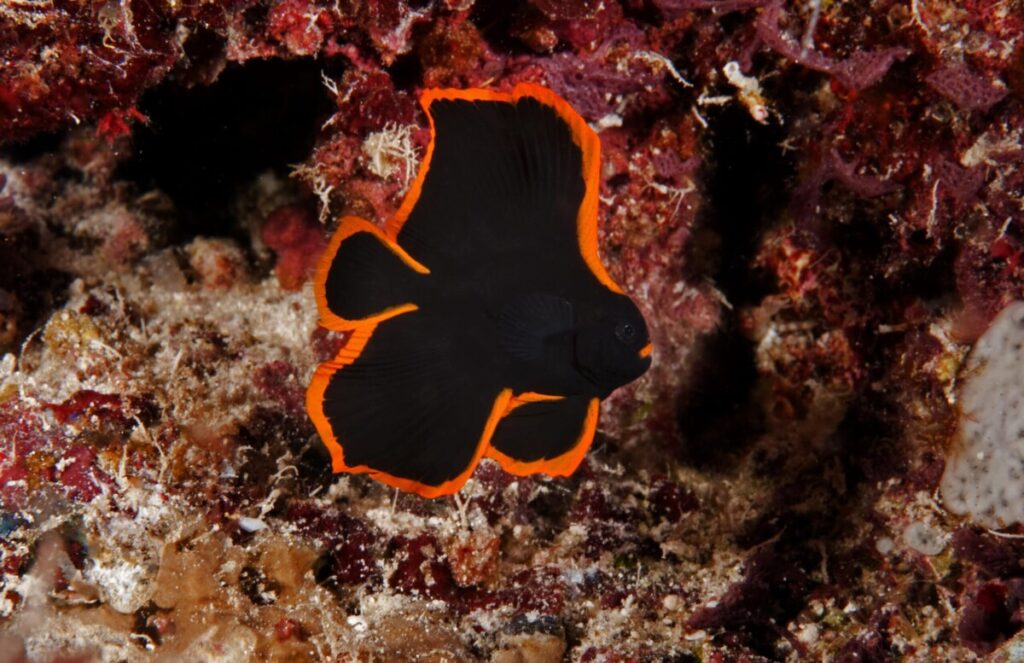
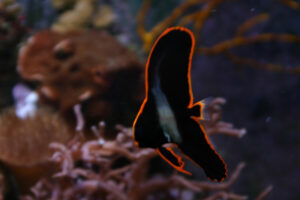
The pinnate batfish (Platax pinnatus), also known as the pinnatus batfish, is one of the most sought-after marine species by scuba divers and underwater photographers. With its elegant, ribbon-like fins and dramatic colouration, especially in its juvenile stage, which features a black body with an orange outline, it seems to float like a shadow through the reef. This fish not only captivates with its beauty but also intrigues with its mimicry behaviour, resembling poisonous flatworms to deter predators. For those new to this fascinating species, check out this comprehensive pinnate batfish to learn more about its behaviour, habitat, and care tips. Southeast Asia is a hotspot for marine biodiversity and offers several world-class locations where divers have an excellent chance of encountering this rare species.
1. Raja Ampat, Indonesia
Often referred to as the epicentre of marine biodiversity, Raja Ampat is a dream destination for divers worldwide. Located off the coast of West Papua, Indonesia, the region encompasses over 1,500 islands and is known for having more recorded fish and coral species than anywhere else on Earth. Among its treasures is the elusive pinnate batfish, which thrives in the protected and nutrient-rich waters of the archipelago.
Raja Ampat’s reefs are exceptionally healthy due to minimal development and strong conservation programs. Juvenile pinnate batfish are often seen hovering near reef slopes, hiding under ledges, or gliding close to coral heads.
- Where to Dive: Popular sites include Cape Kri, Arborek Jetty, and Manta Sandy, each offering stunning reef systems and regular encounters with unique marine species.
- Best Time to Visit: October to April is ideal, when the seas are calm and visibility is excellent.
2. Lembeh Strait, Sulawesi, Indonesia
Famous for muck diving and bizarre critters, Lembeh Strait is an exceptional location to observe rare and elusive marine life, including the juvenile pinnate batfish. Located off the coast of North Sulawesi, Lembeh offers a volcanic black-sand seafloor dotted with coral rubble and man-made structures, providing a perfect backdrop for macro photographers.
The unique topography and abundance of hiding spots make it easy to miss pinnate batfish unless you’re diving with a trained eye. These fish are usually found close to the seafloor, often mimicking flatworms with their graceful swimming style. Many experienced divers rely on the guides at Lembeh Resort, who are skilled at locating these shy species.
- Where to Dive: Dive sites near Lembeh Resort and Dive Into Lembeh are frequently productive, especially for juveniles seeking shelter among discarded items or rock crevices.
- Pro Tip: Go slow and stay low to the ground to spot them more easily. A macro or zoom lens will help you get the perfect shot.
3. Anilao, Philippines
Anilao is a macro photography haven just three hours from Manila, making it one of the most accessible dive destinations in the Philippines. Despite its convenience, Anilao boasts a surprising level of biodiversity, including nudibranchs, seahorses, frogfish, and the ever-enigmatic pinnate batfish.
Juvenile batfish are typically seen in shallow muck sites or among artificial reef structures, gracefully hovering and blending in with their surroundings. The calm waters and vibrant marine life make it a favourite for underwater photographers aiming to capture rare species.
- Where to Dive: Twin Rocks, Secret Bay, and Basura are highly recommended for macro lovers.
- Best Time to Visit: November to May offers the best visibility and calm conditions, ideal for long, slow dives.
4. Tubbataha Reefs Natural Park, Philippines
Located in the heart of the Sulu Sea, Tubbataha Reefs Natural Park is a UNESCO World Heritage Site and a bucket-list destination for serious divers. Due to its remote location, diving here is only accessible via liveaboard during a limited season, but those who make the trip are rewarded with pristine coral reefs, clear waters, and thriving marine ecosystems.
Pinnate batfish, while not guaranteed, are occasionally spotted along coral slopes and drop-offs in this vast marine sanctuary. Juveniles are rare but may be found hiding in sheltered areas near coral bommies.
- Why It’s Unique: Tubbataha’s isolation has preserved its biodiversity, offering chances to see everything from reef sharks and manta rays to smaller, rarer species like pinnate batfish.
- Diving Season: Strictly March to June, when seas are calm, and dive conditions are optimal.
5. Sipadan and Mabul, Malaysia
Malaysia’s top diving duo, Sipadan and Mabul, offer an extraordinary range of experiences. Sipadan is famed for its steep walls and large pelagic species, while Mabul is renowned for macro diving and artificial reefs. Together, they offer opportunities to encounter both large marine animals and cryptic species such as the pinnate batfish.
Juvenile batfish are typically found in Mabul, where underwater structures such as old boats, platforms, and reef balls provide shelter. Sipadan, though more known for turtles and barracudas, occasionally sees adult batfish swimming in open water or near the reef edge.
- Where to Dive: Barracuda Point (Sipadan) for big stuff, and Eel Garden or Paradise 1 (Mabul) for macro life, including batfish.
- When to Go: April through December offers calm seas and reliable visibility.
6. Wakatobi, Indonesia
Wakatobi is both a marine national park and the name of a luxury eco-resort known for its dedication to marine conservation. Located in Southeast Sulawesi, Wakatobi offers some of Indonesia’s clearest waters and healthiest coral reefs, with minimal diver traffic and strict environmental protections.
Pinnate batfish, especially juveniles, are often found in the shallower reef slopes and among coral heads. The calm waters make it an excellent place for photographers to approach these fish patiently and capture them without strong currents.
- Why It’s Special: Wakatobi combines top-tier dive sites with sustainability, offering an intimate experience with minimal impact.
- Best Time to Visit: March to November brings dry weather and excellent underwater visibility.
Tips for Spotting Pinnate Batfish While Diving
Finding pinnate batfish in the wild requires patience, a good guide, and an eye for subtle movement. They’re not schooling fish and tend to dwell near structure, especially in their juvenile stage.
- Look in the Right Places: Juveniles often stay near crevices, coral rubble, and sheltered slopes.
- Dive Slowly: Move deliberately and scan the reef carefully.
- Use a Red Light: This helps avoid startling them during night or dusk dives, especially for photography.
- Check Around Dusk: Their feeding activity often increases, making them slightly more visible.
Best Time of Year for Batfish Sightings
Timing is key when planning a dive trip in Southeast Asia. While many locations offer year-round diving, the ideal conditions vary by country:
- Indonesia (Raja Ampat, Wakatobi, Lembeh): Best from October to April for calm seas and excellent visibility.
- Philippines (Anilao, Tubbataha): November to May offers the most stable weather and underwater conditions.
- Malaysia (Sipadan, Mabul): Optimal diving between April and December; avoid the monsoon season from January to March.
Essential Diving Gear and Photography Tips
Capturing a good image of a pinnate batfish can be a challenge, especially because they are shy and slow-moving. Proper gear makes a big difference:
- Macro or Zoom Lens: Juveniles are small and delicate—get close, but don’t crowd them.
- Neutral Buoyancy: Essential for hovering near reefs without damaging coral or scaring away fish.
- Soft Lighting: Use diffused light or strobes with diffusers to highlight their contrasting colouration without glare.
Conservation Note
Pinnate batfish may not be endangered, but like many reef fish, they are vulnerable to habitat degradation and overfishing. Responsible diving helps protect them and their ecosystem:
- Avoid touching or chasing marine animals.
- Choose dive operators that follow sustainable practices.
- Support marine parks and local conservation efforts through donations or volunteering.
Your small actions help preserve the beauty of the ocean for future divers and for the species that call it home.
Conclusion
The pinnate batfish is a rare and rewarding sight for divers, and Southeast Asia offers some of the best chances in the world to observe them. From the remote reefs of Raja Ampat and Tubbataha to the muck sites of Lembeh and Mabul, every destination adds a unique opportunity to your underwater adventures.
Whether you’re diving to photograph their delicate fins or simply to marvel at their graceful movement, the pinnate batfish is a highlight of any dive. So pack your gear, plan your trip around the seasons, and dive into your subsequent underwater encounter.
Have you encountered a pinnate batfish? Share your story in the comments or tag your dive photos to inspire fellow divers.