How Electric Vehicle Lifestyle Products Are Transforming Consumer Life in Indonesia in 2026
 Addison Chambers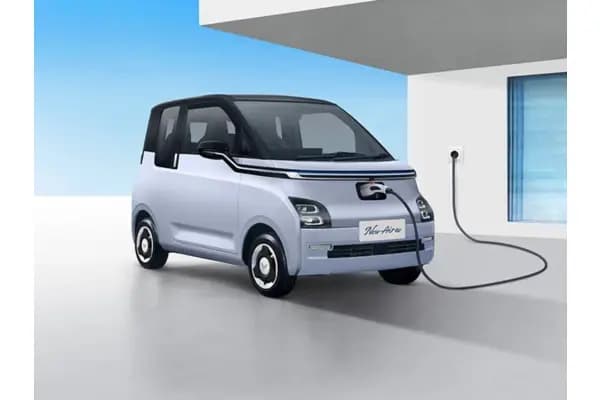
Indonesia in 2026 is witnessing an unprecedented transformation in consumer lifestyle driven by the rapid adoption of electric vehicle (EV) lifestyle products and innovations. As the government, manufacturers, and lifestyle brands continuously promote sustainable and technologically advanced mobility options, the everyday lives of Indonesian consumers are evolving markedly. This shift is not limited to transportation; it extends to a broader lifestyle context that integrates convenience, environmental consciousness, modern design, and new social trends. These changes reflect a growing consumer preference for sustainable living combined with cutting-edge technology that improves day-to-day life. This article explores how the rise of EV lifestyle products and key industry events, combined with public transport innovations, are reshaping mobility and lifestyle experiences across Indonesia, signalling a significant shift towards greener and smarter urban living.
The Rise of Electric Vehicle Lifestyle Products and Events
The Indonesian market has seen a surge in EV-related lifestyle products that appeal to environmentally conscious consumers seeking both utility and style. Large-scale events such as the “Electrifying Lifestyle Vaganza” have played a pivotal role in promoting these innovations. These events bring together manufacturers, lifestyle brands, and consumers to showcase the latest developments in electric vehicle technology, along with accessories, apparel, and smart gadgets that complement an EV lifestyle. Such platforms serve not only as marketing opportunities but also as educational arenas where consumers can experience firsthand the benefits and potential of EV adoption.
Electrifying Lifestyle Vaganza and More
The Electrifying Lifestyle Vaganza features a broad variety of EV-themed activities, including product expos, demonstrations, and interactive workshops. This event has become a major platform for introducing new EV models, lifestyle merchandise, and technological breakthroughs to the public. It plays an instrumental role in educating consumers on the benefits of electric vehicles, such as cost savings, reduced emissions, and ease of use, thereby fostering a community around sustainable mobility and accelerating adoption rates. Additionally, these events promote networking between manufacturers and designers to innovate EV lifestyle products that resonate with Indonesia’s diverse consumer demographics, from urban millennials to suburban families.
Fusion of Lifestyle and Technology in EV and Mobility
One of the most notable elements of EV adoption in Indonesia is how lifestyle brands have integrated technological advancements to create a seamless consumer experience. Central to this integration are innovative products and brand experiences that attract urban dwellers looking for convenience and sustainability. These lifestyle integrations often focus on smart connectivity features, energy efficiency, and personalized user interfaces that blend functionality with aesthetic appeal.
iCAR V23 Models Making EVs Accessible to More Consumers
The introduction of the iCAR V23 models has marked a significant milestone in making electric vehicles more accessible and affordable for Indonesian consumers. These models combine reliability, modern design, and environmentally friendly technology, appealing to a broad demographic. Their compact size, enhanced battery efficiency, and affordable price points make them practical for daily commuting in congested city environments while maintaining a lifestyle-conscious appeal. Furthermore, the iCAR V23 incorporates smart features such as app-based vehicle tracking, integrated navigation, and customizable settings, making EV ownership more attractive to tech-savvy consumers.
Yamaha Lifestyle Experience Hub and Retail Innovations
Yamaha’s Lifestyle Experience Hub is another key player in this evolving landscape. Through this hub, Yamaha offers not only electric motorcycles and scooters but also experiential retail spaces that emphasize lifestyle alignment. Customers can explore a range of EV options, accessories, and related products in immersive settings that blend retail with education and lifestyle engagement. Such hubs encourage consumers to embrace electric mobility more confidently and conveniently by providing personalised consultations, on-site test rides, and workshops on EV maintenance. These retail innovations reflect broader trends where consumer interaction goes beyond transactions to form an ongoing relationship focused on sustainability and experience.
Role of Public Transport Innovations in Consumer Lifestyle
Public transport networks in Indonesia are integrating EV technologies and enhancing commuter experiences, demonstrating the government’s commitment to sustainability and improved urban mobility. These changes not only reduce emissions but also redefine the comfort and efficiency of daily commuting.
KAI’s Role in Enhancing Commuter Lifestyle Experience
The Indonesian Railway Company (Kereta Api Indonesia, KAI) plays a vital role in shaping commuter lifestyles by expanding electric commuter train services powered by environmentally friendly technology. Their innovations focus on improving comfort, reliability, and speed for daily commuters, encouraging a shift from private vehicle use. Enhanced services include modernised train interiors, real-time scheduling apps, and integrated ticketing systems that interface with other transit modes. This evolution supports sustainable urban development by reducing road congestion and lowering the overall carbon footprint of transportation. Moreover, KAI’s efforts help foster a culture of public transit use, particularly among Jakarta’s working population, which significantly impacts quality of life and environmental outcomes.
Success Stories of Lifestyle Brands in the EV Sector
Several lifestyle brands have successfully tapped into the burgeoning EV market by offering products and services tailored specifically for electric vehicle users. These range from rider-designed apparel incorporating safety and weather-resistant materials to smart accessories, such as portable charging stations and energy management apps, that enhance EV functionality. For instance, some brands focus on eco-friendly materials and local craftsmanship in their product lines, aligning with the sustainability narrative of electric vehicles.
These brands not only fulfil practical needs but also help establish an emotional connection to the EV lifestyle, cultivating communities around eco-consciousness and modernity. This approach has proven effective in attracting younger consumers who prioritise sustainability alongside style and convenience. The success of these brands underscores the potential of combining lifestyle with sustainability to attract modern consumers and expand the EV ecosystem beyond just vehicles.
Challenges and Opportunities in the EV Lifestyle Market
Despite these promising trends, the EV lifestyle market in Indonesia faces challenges including infrastructure development, consumer education, and market penetration in rural areas. Charging infrastructure remains unevenly distributed, which can limit usage beyond urban centres where most consumers reside. Addressing this gap requires coordinated government policies, private-sector investment, and innovative solutions such as mobile charging units and solar-powered charging stations.
Moreover, consumer education around EV benefits, maintenance, and usage is still developing. Misconceptions and lack of awareness can slow adoption rates, particularly among less tech-savvy or lower-income groups. However, opportunities lie in continued governmental incentives for EV purchases, growing environmental awareness, and Indonesia’s youthful demographics eager to adopt sustainable lifestyles. Businesses and policymakers must collaborate to improve charging infrastructure, expand educational programs, and tailor products to various socio-economic segments, ensuring inclusive access to the benefits of EV lifestyles.
The Future of EV Lifestyle in Indonesia
The landscape of electric vehicle lifestyle products in Indonesia in 2026 is vibrant and rapidly evolving. Innovations like the iCAR V23 models, Yamaha’s Lifestyle Experience Hub, and KAI’s electric commuter services signify a transformative period for Indonesian consumers. These developments offer practical environmental benefits while enhancing convenience and modern living standards. As the market matures, ongoing collaboration among manufacturers, lifestyle brands, and government initiatives will be critical to sustaining growth and ensuring the inclusive adoption of EV lifestyles nationwide.
Looking ahead, the trajectory points to a more sustainable, technologically integrated Indonesian mobility and lifestyle market that aligns with global trends and local aspirations. As infrastructure improves and consumer awareness deepens, electric vehicle lifestyle products will play an even greater role in shaping how Indonesians live, move, and connect with their environment. This ongoing transformation promises to foster healthier urban spaces, reduce environmental impact, and create new economic opportunities within Indonesia’s evolving lifestyle and mobility sectors.