Addison Chambers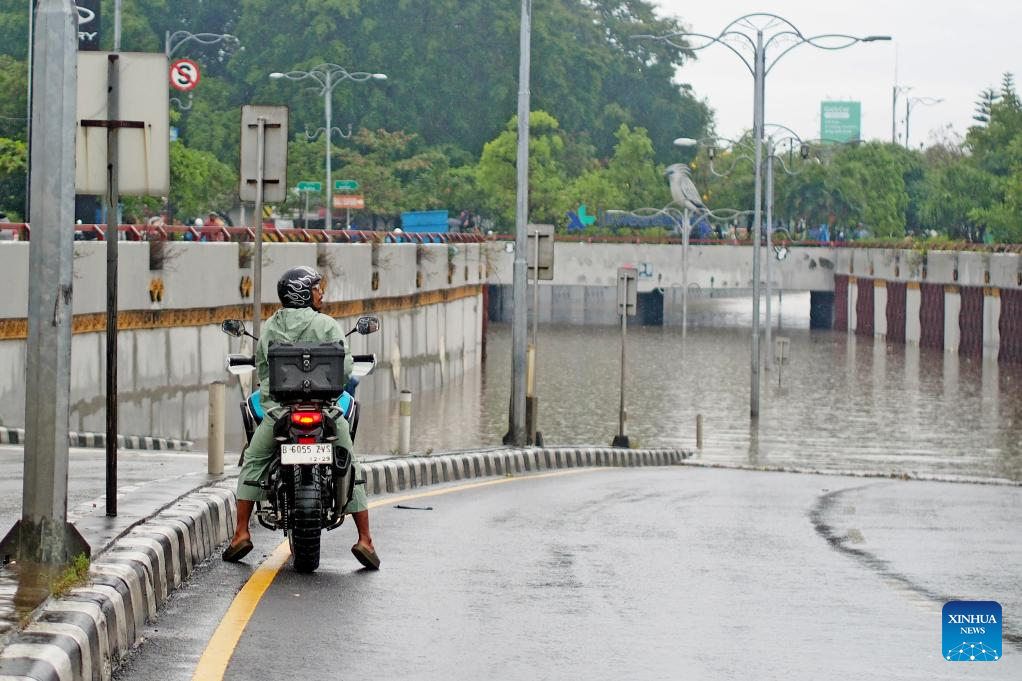
The recent flood disasters are reshaping the value of property in Bali in 2025, with significant implications for both investors and homeowners. Heavy rains since September 9 have caused water levels to rise to 2-3 meters, submerging parts of Denpasar, with 43 reported flood points, according to the Bali Provincial Disaster Management Agency (BPBD). This article provides informative insight into how these floods are driving short-term declines in property values and what long-term recovery trends might emerge, offering a critical perspective for those tracking Bali’s real estate market post-disaster.
Immediate Impact on Property Values in Denpasar
The value of property in Bali has taken a hit following the September 2025 floods, particularly in Denpasar, where 43 flood points have disrupted daily life and infrastructure. Residential areas near Jalan Gunung Salak, where floodwaters have reached second-story homes, are experiencing a sharp decline in market interest. Real estate agents report a 10-15% drop in the asking prices of property listings within a week, as buyers hesitate due to concerns about damage, including mould and structural issues. Commercial properties, including small shops, face similar pressures, with rental incomes dropping as businesses close temporarily. This short-term devaluation reflects the immediate economic toll of the disaster.
Short-Term Market Trends and Investor Caution
In the wake of the flood disasters that have impacted property values in Bali, investors are adopting a cautious stance. The saturation of flood-affected zones, such as Kuta and Sanur, has led to a 20% reduction in transaction volumes, according to local real estate data from early September. Properties in low-lying areas are experiencing increased days on market, with sellers lowering prices to attract buyers who are wary of repair costs. Insurance premiums are also rising, adding financial strain—some policies have jumped by 30% in flood-prone regions. For investors, this period demands thorough due diligence, focusing on properties with recent flood mitigation upgrades to mitigate losses.
Also read How to Sell Your Home Fast: Tips for Attracting Buyers
Long-Term Recovery Prospects and Opportunities
Despite the current downturn, the value of property in Bali may rebound as recovery efforts gain traction. Historical data from Semarang’s 2021 floods suggests a recovery timeline of 12-18 months, with property values stabilising as infrastructure improves. In Bali, the government’s ongoing drainage enhancements and community-led clean-up initiatives in Denpasar’s 43 flood points signal a proactive response. Investors seeking long-term gains could target higher-ground areas, such as Ubud, where flood risks are lower, potentially realising a 5-10% value increase as demand shifts. Sustainable developments with flood-resistant designs are also emerging as attractive options, offering promise for resilience.
Factors Influencing Future Property Values
Several factors will shape the value of property in Bali post-flood disasters. Improved drainage systems, a key focus after the recent rains, could restore confidence if completed swiftly. Tourism, a pillar of Bali’s economy, will play a crucial role. Villas in unaffected areas, such as Canggu, may see a surge in demand as travellers seek safe havens. However, unchecked urban development and climate change pose risks, potentially exacerbating future floods. Investors should monitor BPBD updates and consider investing in properties with elevation or flood barriers, aligning with global trends that favour climate-resilient real estate.
Investment Strategies for a Flood-Affected Market
For those tracking the value of property in Bali, strategic investment is key. Diversify portfolios by including properties in flood-safe zones, such as north Bali’s hilly regions, which have remained largely unscathed. Negotiate lower purchase prices in affected areas like Denpasar, factoring in repair costs estimated at Rp50-100 million per property based on current damage assessments. Partner with local developers on flood-proof projects, which could yield high returns as Bali recovers from the floods. Timing is critical buying during this dip, with recovery expected by mid-2026, could offer significant upside.
Government and Community Role in Recovery
The Balinese government and community play a pivotal role in influencing the value of property in Bali following post-flood disasters. BPBD’s evacuation and infrastructure repair efforts, combined with public awareness campaigns on waste management, aim to mitigate future risks. International aid and tourism recovery plans could accelerate rebuilding, boosting property values in stable areas. Investors should engage with local councils to stay informed about policy updates, as subsidies for flood-proofing may enhance property appeal and value over time.
Looking Ahead: A Resilient Real Estate Future
As Bali recovers from the September 2025 flood disasters, the value of property in Bali will depend on the implementation of adaptive strategies. Investors who act now, leveraging short-term dips and supporting sustainable recovery, can position themselves for long-term gains. With the market at a crossroads, staying informed through local real estate reports and BPBD announcements will be essential. Bali’s resilience, backed by its tourism-driven economy, suggests a promising rebound by late 2026.
The flood disasters are currently shaping the value of property in Bali in 2025, presenting both challenges and opportunities. With strategic planning and patience, investors can navigate this turbulent period and capitalize on Bali’s recovery as of September 11, 2025.